Tips for Creating a Relaxing and Productive Home Office Space
Creating a home office that is both relaxing and productive can significantly improve your work-from-home experience. Whether you’re a freelancer, remote employee, or managing household tasks, your workspace can play a vital role in how well you focus and feel throughout the day. In this post, we’ll explore practical tips to help you design a home office that supports productivity while keeping stress at bay.
Choose the Right Location
Finding the best spot for your home office is essential. Ideally, choose a quiet area where you can work uninterrupted. If possible, select a room with a door to help separate your work life from your personal life. If a dedicated room is not available, consider a well-defined corner or nook.
Consider natural light
Natural light is one of the most important elements in a workspace. Position your desk near a window to benefit from daylight, which helps reduce eye strain and elevate your mood.
Invest in Comfortable Furniture
Comfort plays a key role in your productivity and wellbeing.
Desk and chair
Opt for a desk that fits your work style and doesn’t feel cramped. A sturdy desk at the right height is crucial. Equally important is an ergonomic chair that supports your back and encourages good posture. Adjustable features can make a big difference for long hours of work.
Add supportive accessories
Consider a footrest or a wrist rest for added comfort. If you use multiple screens, invest in adjustable mounts to reduce neck strain.
Declutter and Organise
A tidy space promotes a clear mind.
– Keep only essential items on your desk.
– Use shelves, drawers, or storage boxes to stow away documents and supplies.
– Label folders and organisers to find things easily.
– Regularly clear out unnecessary papers and clutter.
Use Calming Colours and Decor
The colours and decor in your office can affect your mood and concentration.
– Choose soft, neutral colours such as pale blues, greens or greys that tend to be relaxing.
– Incorporate personal items that inspire you, like plants, photos, or artwork.
– Avoid overly bright or distracting patterns near your workspace.
Create Good Lighting
While natural light is preferred, good artificial lighting is necessary for darker days or evening work.
– Use task lighting such as a desk lamp to focus light where you need it.
– Avoid overhead lights that cause glare on screens.
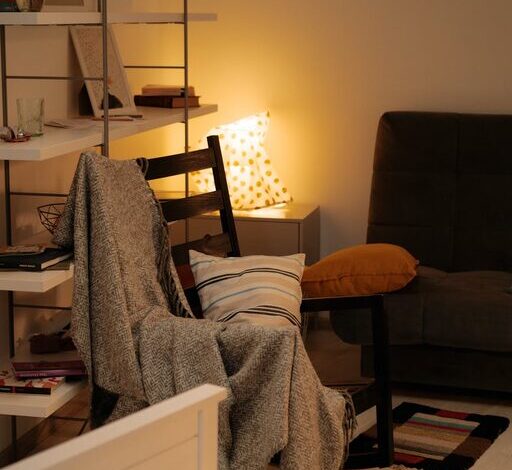
– Consider warm light bulbs for a cosy atmosphere.
Manage Noise Levels
Noise can interrupt concentration, but complete silence isn’t always ideal.
– Use noise-cancelling headphones if your environment is noisy.
– Play soft background music or white noise to mask distractions.
– If possible, add soft furnishings like rugs or curtains that absorb sound.
Set Boundaries and Routines
A well-designed office is more productive when paired with clear routines.
– Set specific work hours and stick to them.
– Take regular breaks to stretch and rest your eyes.
– Use a separate workspace to help “switch off” at the end of the day.
– Inform family members or housemates about your schedule to minimise interruptions.
Incorporate Technology Wisely
Use technology to enhance productivity but avoid overloading your space.
– Keep cables organised with clips or sleeves.
– Use a good quality webcam and microphone if you have video calls.
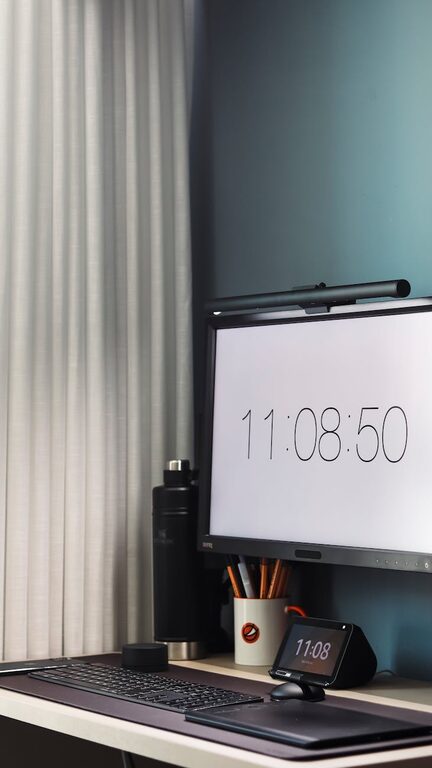
– Consider a second monitor if your work involves multitasking.
Personalise Your Workspace
Your office should feel welcoming and uniquely yours.
– Add items that motivate you, like a vision board or inspirational quotes.
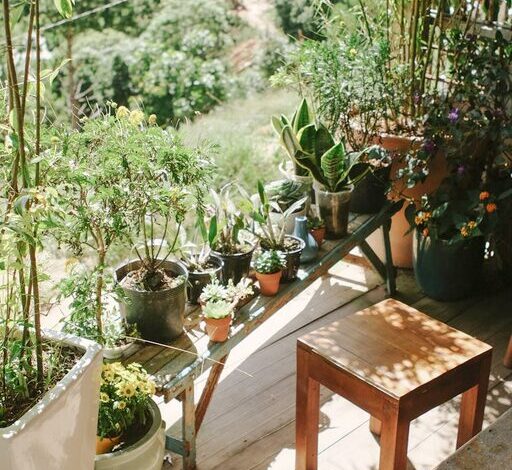
– Place a plant to bring a touch of nature indoors. Plants can improve air quality and reduce stress.
– Ensure your workspace reflects your personality while staying professional.
Prioritise Air Quality and Temperature
A comfortable environment supports productivity.
– Open windows for fresh air when possible.
– Use a fan or heater to maintain a comfortable temperature.
– Consider an air purifier if your home has allergens or poor ventilation.
—
Creating a relaxing and productive home office is achievable with some thoughtful planning and attention to detail. By combining comfort, organisation, lighting, and personal touches, you’ll create a space where work feels less like a chore and more like a positive part of your day. With the right setup, your home office can be a sanctuary of focus and calm.