
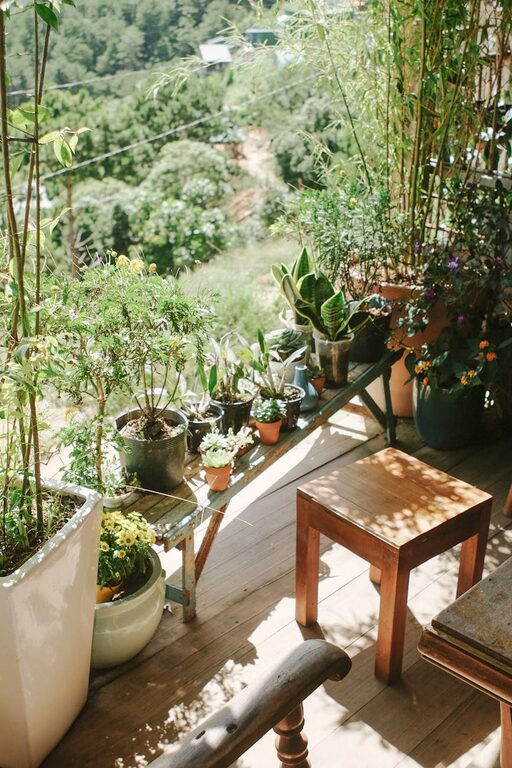
Tips for Creating a Relaxing Outdoor Garden Space at Home
Creating a relaxing outdoor garden space at home is a wonderful way to enhance your wellbeing, enjoy fresh air, and extend your living area. Whether you have a large garden or a small balcony, with thoughtful planning and some creativity, you can design a tranquil environment for rest, reflection, or entertaining friends. Here are some practical tips to help you transform your garden into a peaceful haven.
Choose the Right Location
Before you start planting or buying furniture, consider the best spot in your garden for relaxation. Look for an area that is sheltered from strong winds and receives the amount of sun or shade you prefer. A corner with natural shade from trees or an existing wall can serve as a cosy nook.
Consider Privacy
Privacy is key when creating a relaxing outdoor space. Use hedges, trellises with climbing plants, or outdoor screens to create a sense of seclusion. Bamboo or fast-growing plants like privet can form natural boundaries quickly.
Plan Your Garden Layout
An organised garden layout adds to the feeling of calm. Think about how you want to use the space: Do you want a seating area, space for dining, or just a quiet zone for meditation?
Use Zones
Divide the garden into different zones using pathways, borders, or plant beds. For example, a dining area could be separate from a flower garden or a lawn. This helps create structure and directs movement.
Soft Curves Over Harsh Lines
Using curved paths or undulating flower beds can make the garden feel more natural and welcoming compared to straight lines which may feel rigid.
Select Calming Plants
Choosing plants with soothing colours and soft textures can significantly influence the atmosphere.
Plant Choices
– Lavender: Its fragrance is known for relaxation.
– Ferns: Their gentle green leaves add softness.
– Jasmine or honeysuckle: Sweet-smelling climbers provide scent and privacy.
– Grasses: Ornamental grasses create gentle movement in the breeze.
Seasonal Interest
Include a variety of plants that bloom at different times to enjoy the garden all year round. Evergreen shrubs provide structure through winter months.
Comfortable and Functional Seating
A comfortable seating area invites you to spend time outside. Consider what suits your garden size and personal style.
Types of Seating
– Benches with cushions for comfort.
– A hammock for gentle swinging.
– Outdoor sofas or chairs if space allows.
– A simple wooden chair with a small table for reading or tea.
Place seating to face a pleasant view or near fragrant plants.
Add Water Features
The gentle sound of water can be incredibly calming.
Ideas for Water Features
– Small fountains or bubbling bowls.
– Birdbaths that attract wildlife.
– A koi pond if you have space.
Ensure water features are well maintained to avoid stagnation.
Use Lighting to Extend Enjoyment
Good lighting can transform your garden in the evenings and highlight features.
Lighting Tips
– Soft, warm lights for seating areas.
– Solar-powered path lights for safety and ambiance.
– Fairy lights or lanterns for a magical touch.
Avoid harsh or overly bright lights that can spoil the peaceful atmosphere.
Incorporate Natural Elements
Adding natural textures can deepen your connection to the outdoors.
Examples Include:
– Stone or wooden pathways.
– Pebble or gravel areas.
– Natural woven baskets or plant pots.
Mix textures for interest without overwhelming the space.
Maintain Simplicity
Remember, the aim is to create a relaxing environment, so avoid clutter. Keep pathways clear and choose a harmonious colour scheme in plants and furniture. Less is often more when designing a peaceful garden.
Final Thoughts
Creating a relaxing outdoor garden space at home is achievable with a bit of planning and attention to detail. By focusing on location, plant choices, comfort, and natural elements, you can develop a haven that refreshes the mind and body. Start with small changes and watch your garden become your favourite retreat.
Enjoy your garden retreat!
